Cindy Bernhard
The Darker the Night, The Brighter the Stars
November 1st - December 21st, 2024
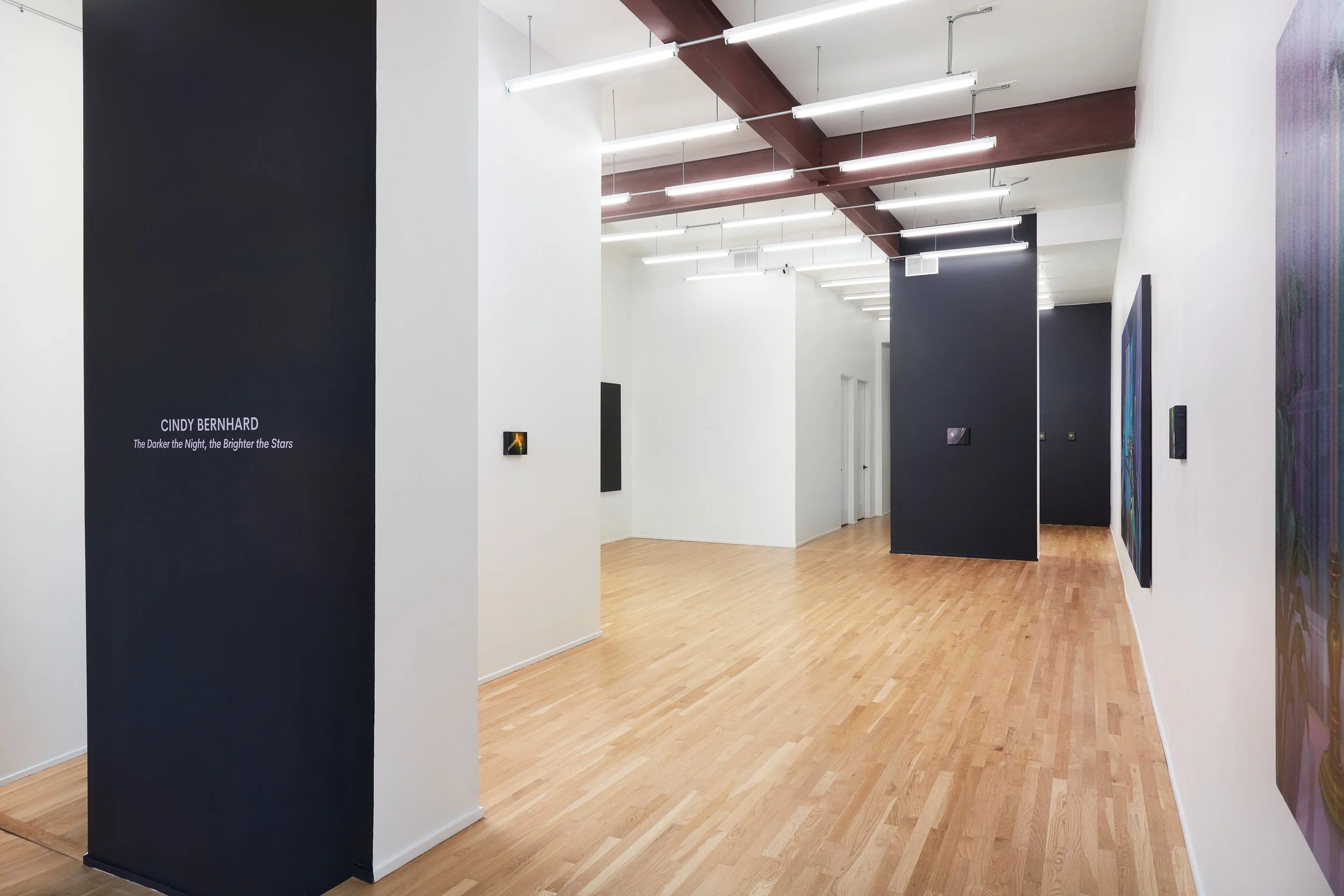
ANDREW RAFACZ is excited to announce The Darker the Night, the Brighter the Stars, a solo exhibition of new paintings from Cindy Bernhard, in Galleries One & Two. The exhibition opens Friday, November 1st and continues through Saturday, December 21st, 2024. This is the artist’s first solo exhibition with the gallery.
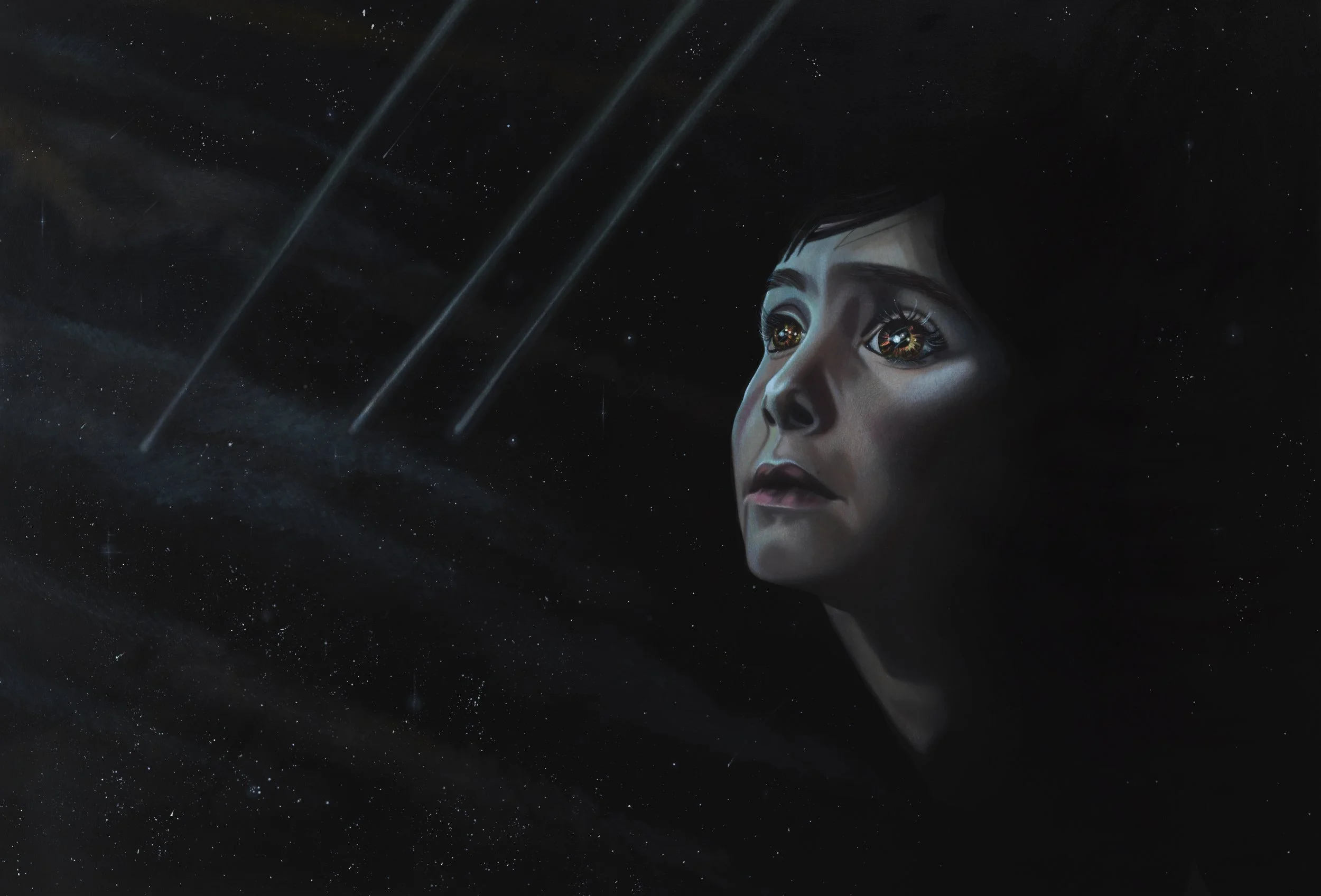
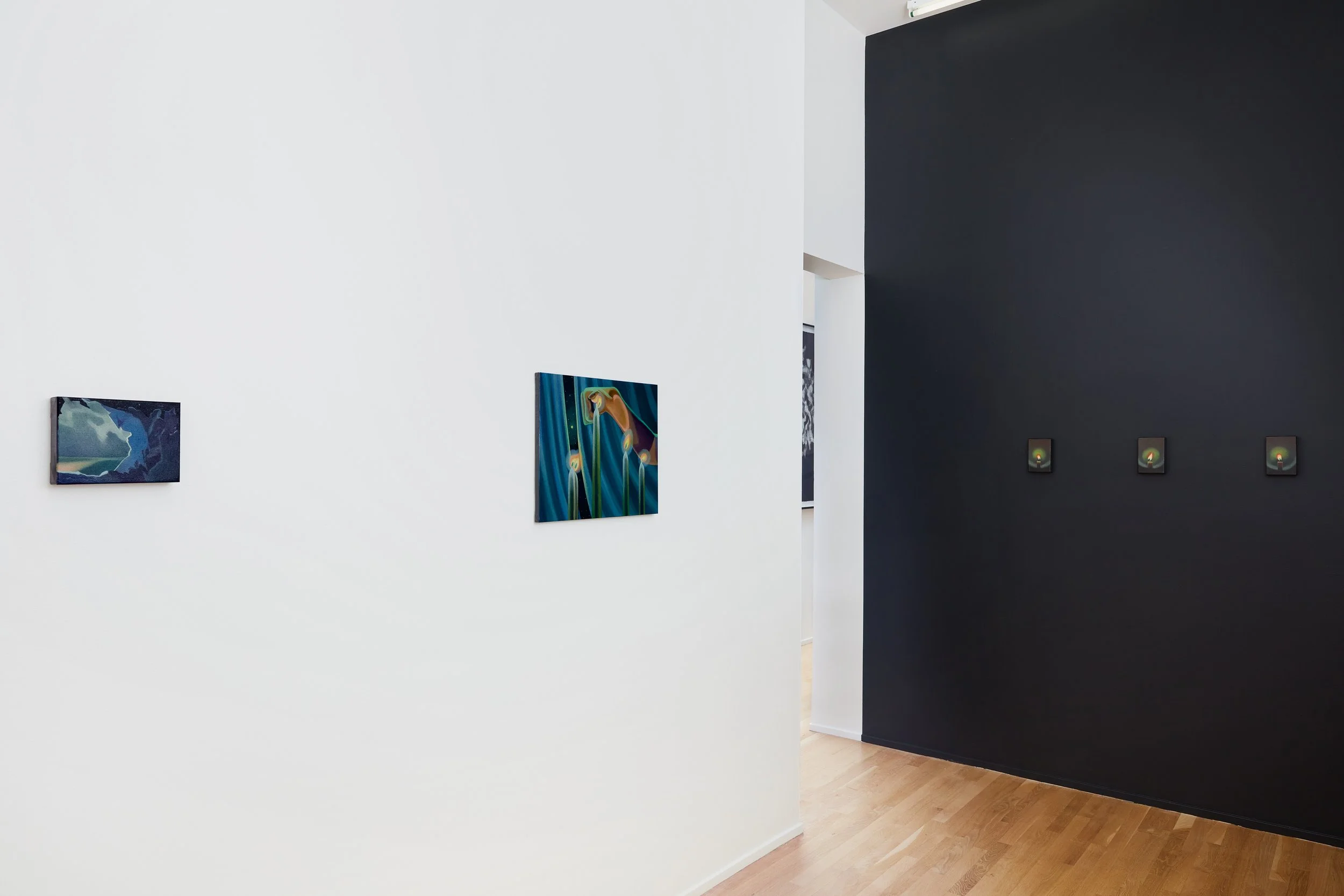
The Darker the Night, the Brighter the Stars presents a series of new oil paintings on canvas from Cindy Bernhard. Employing dramatic shifts between light and dark, ecstatic colors and mystical imagery, Bernhard creates her own fantastic, albeit representative world.
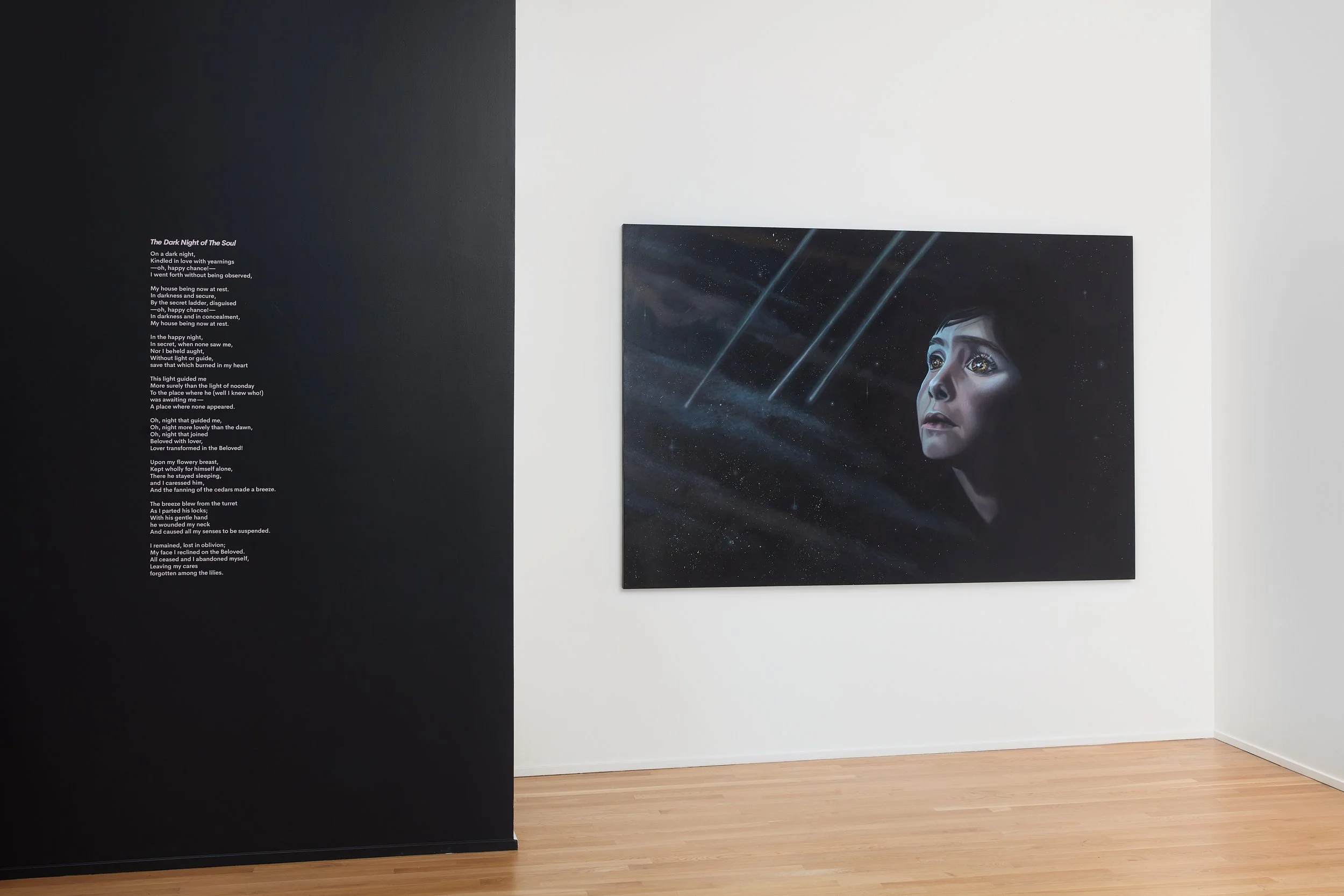
Referencing a line from Fyodor Dostoevsky’s Crime and Punishment, the title of Bernhard’s exhibition points directly to her ongoing investigation of mysticism and the search for truth by way of her own evolving spirituality.
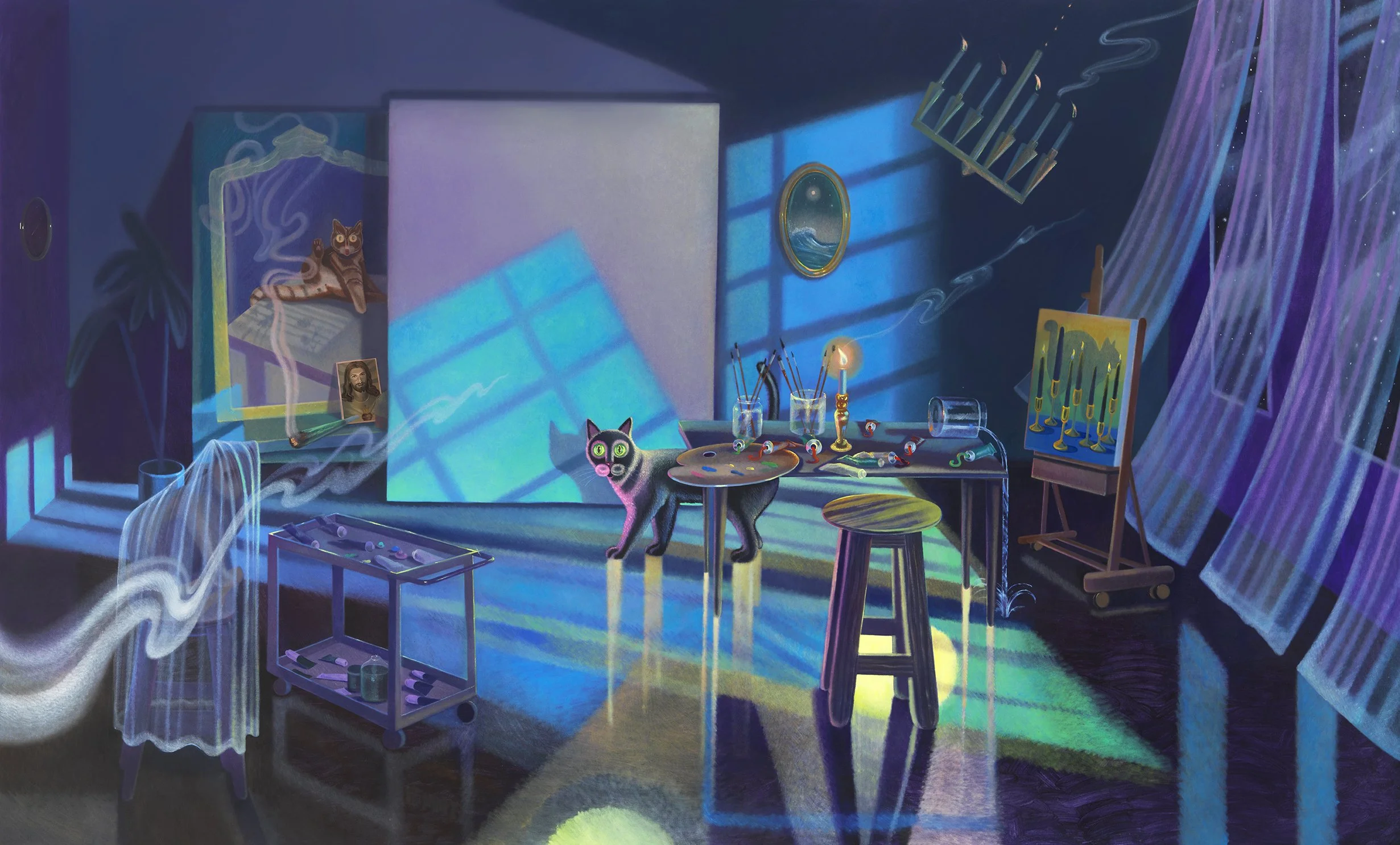
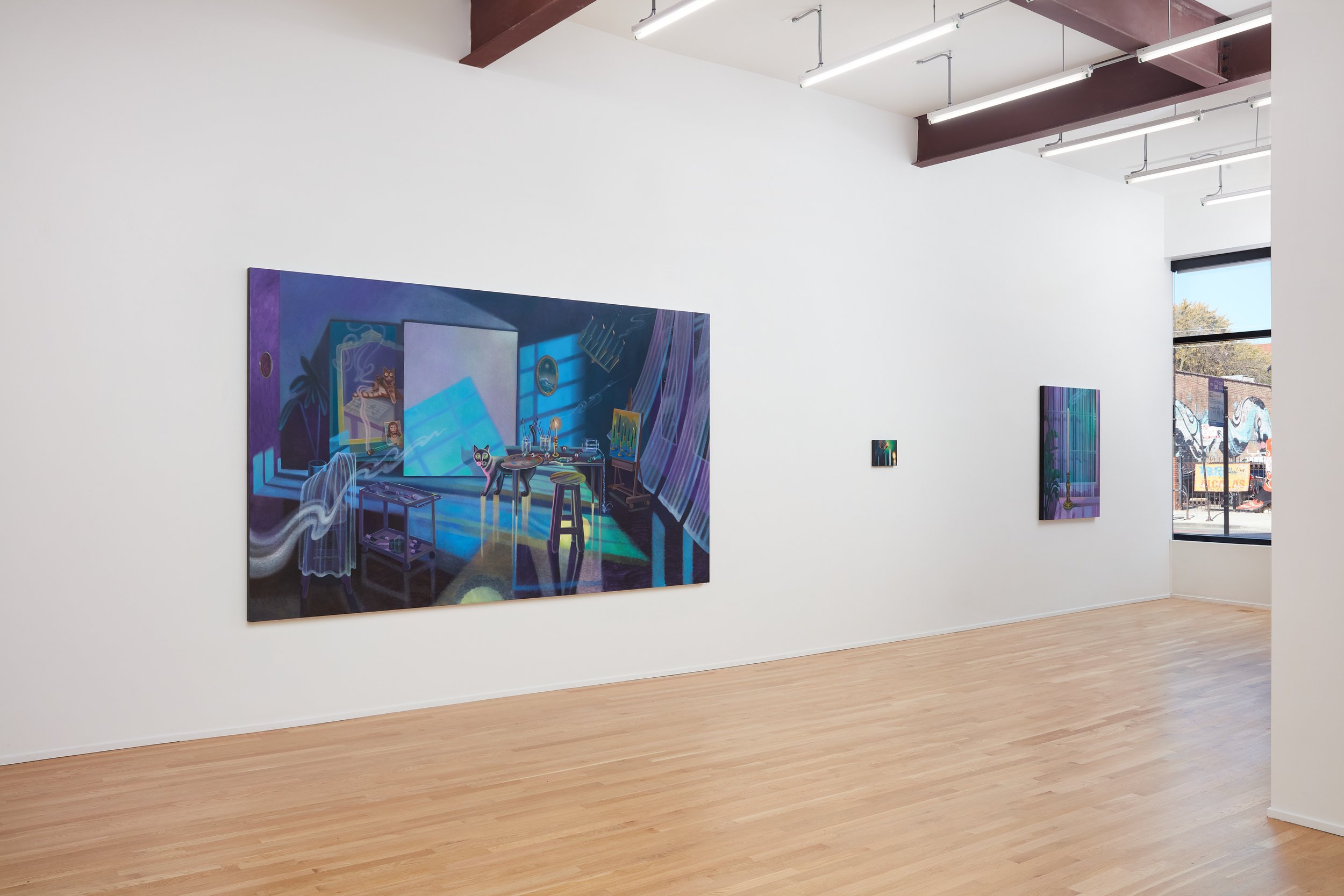
At the center of the exhibition is The Dark Night of the Soul, a six by ten-foot painting set in an imagined version of the artist’s studio, titled after the 16th century poem of the same name by St. John of the Cross. The poem addresses a phase of passive purification of the spirit within mystical development. Colloquially, the phrase “dark night of the soul” is used to describe a crisis of faith or a difficult, painful period in one’s life.
The vibrant, layered scene contains several paintings-within-the-painting in varying stages of completion (a seemingly blank canvas capturing the shadows of the room, a completed one on an easel) as well as the artist’s tools of her work— tubes of paints, brushes, a palette and jars— on a table and a rolling cart. Two cats— stand-ins for human subjects— are engaged in mysterious and playful acts. Catching the drama of the studio in media res, the viewer is inundated in Bernhard’s familiar interactions between light and shadow, interior and exterior. Her meta-painting mise-en-scène recalls other historical paintings of self-reflexivity and reflection, such as Velasquez’ Las Meninas or Vermeer’s The Allegory of Painting. Although the artist is physically absent from the scene, her presence is undoubtedly felt.
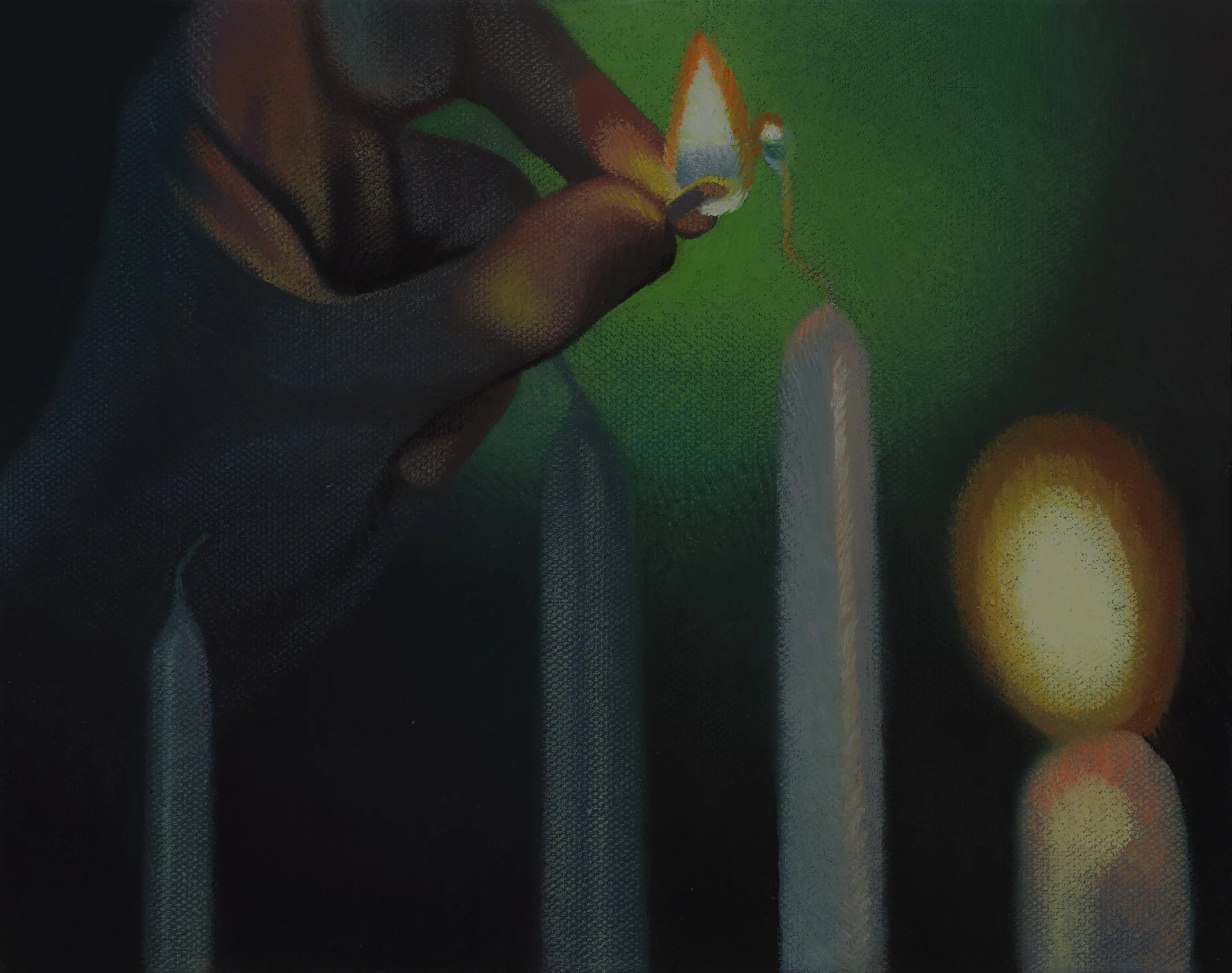
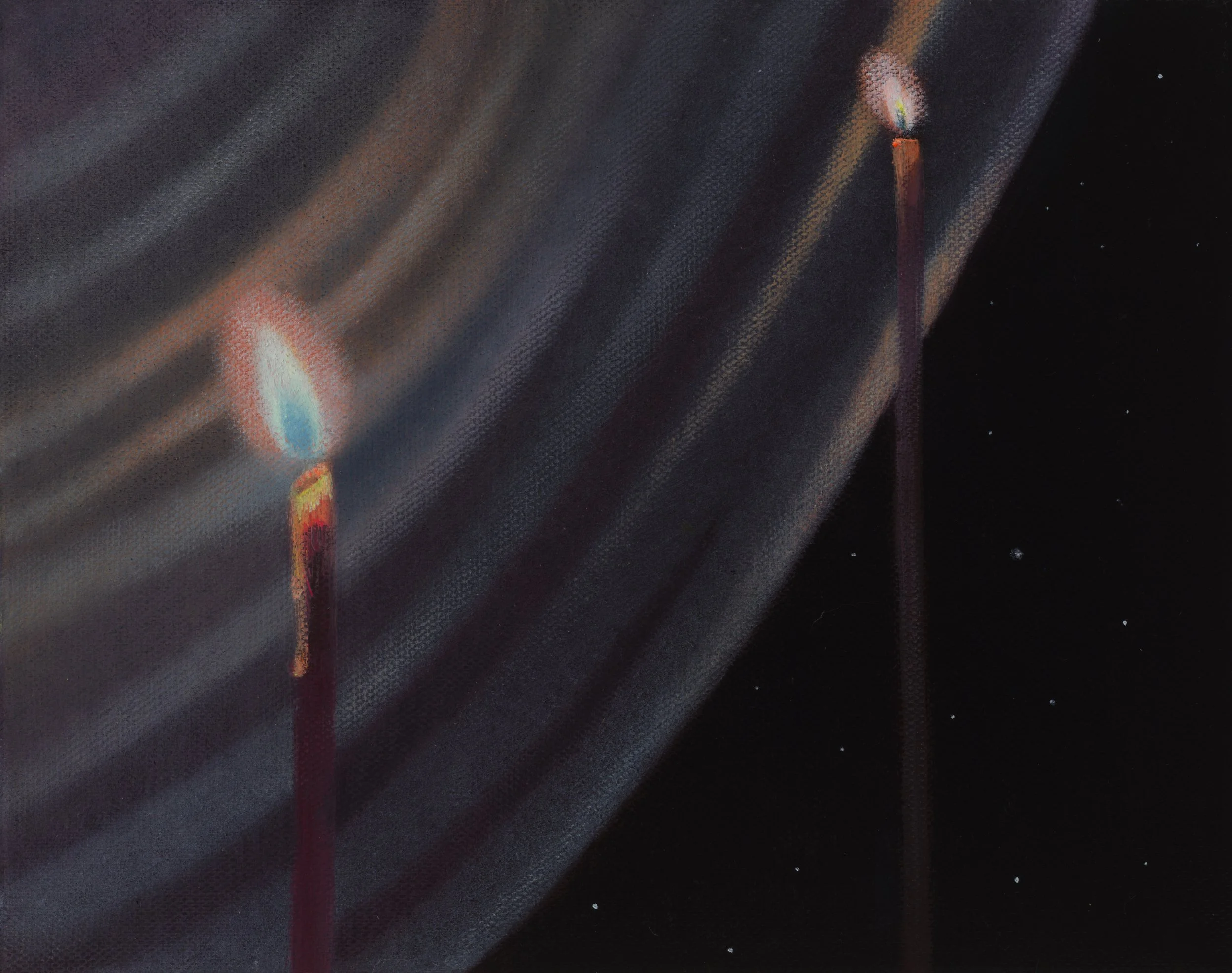
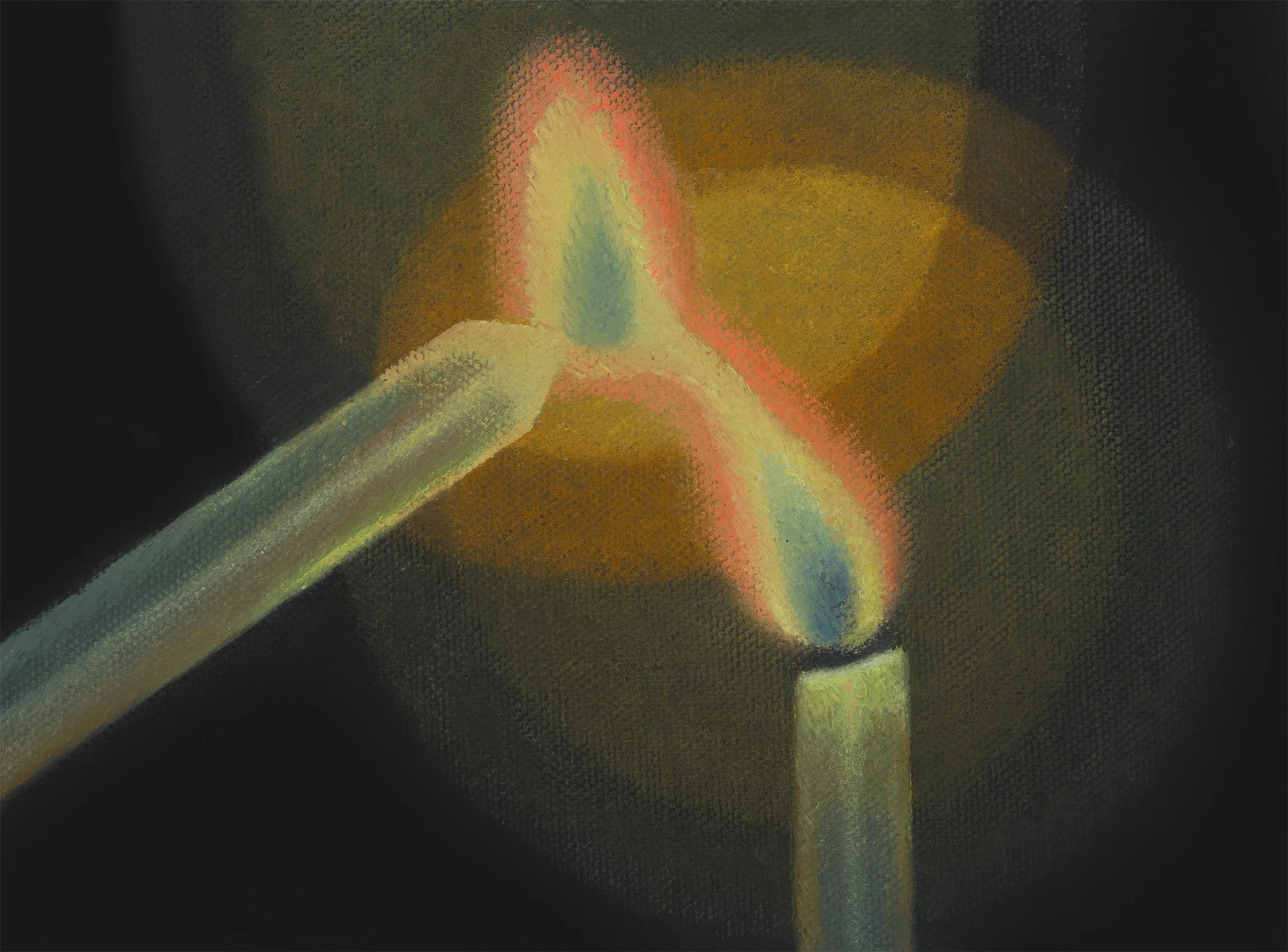
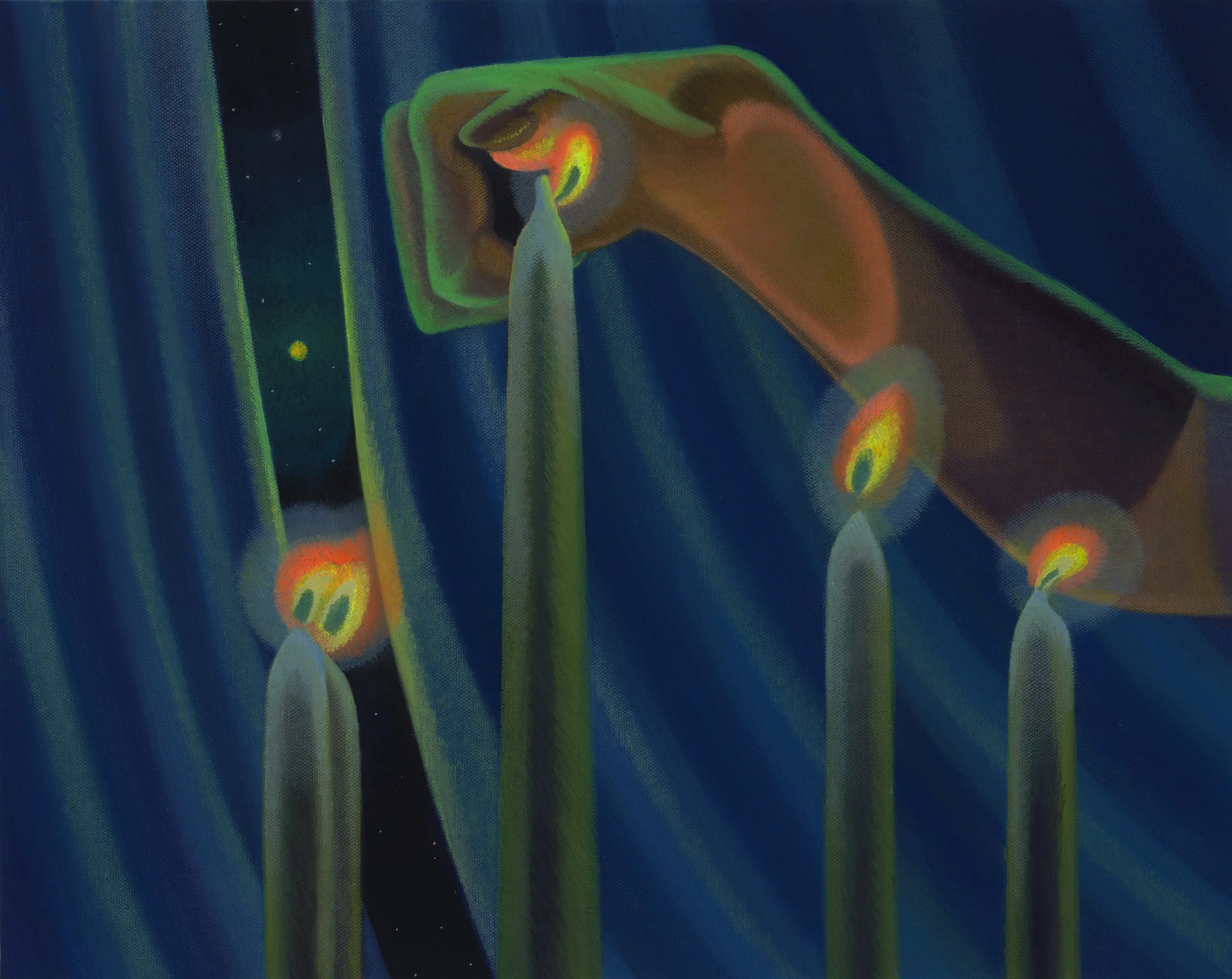
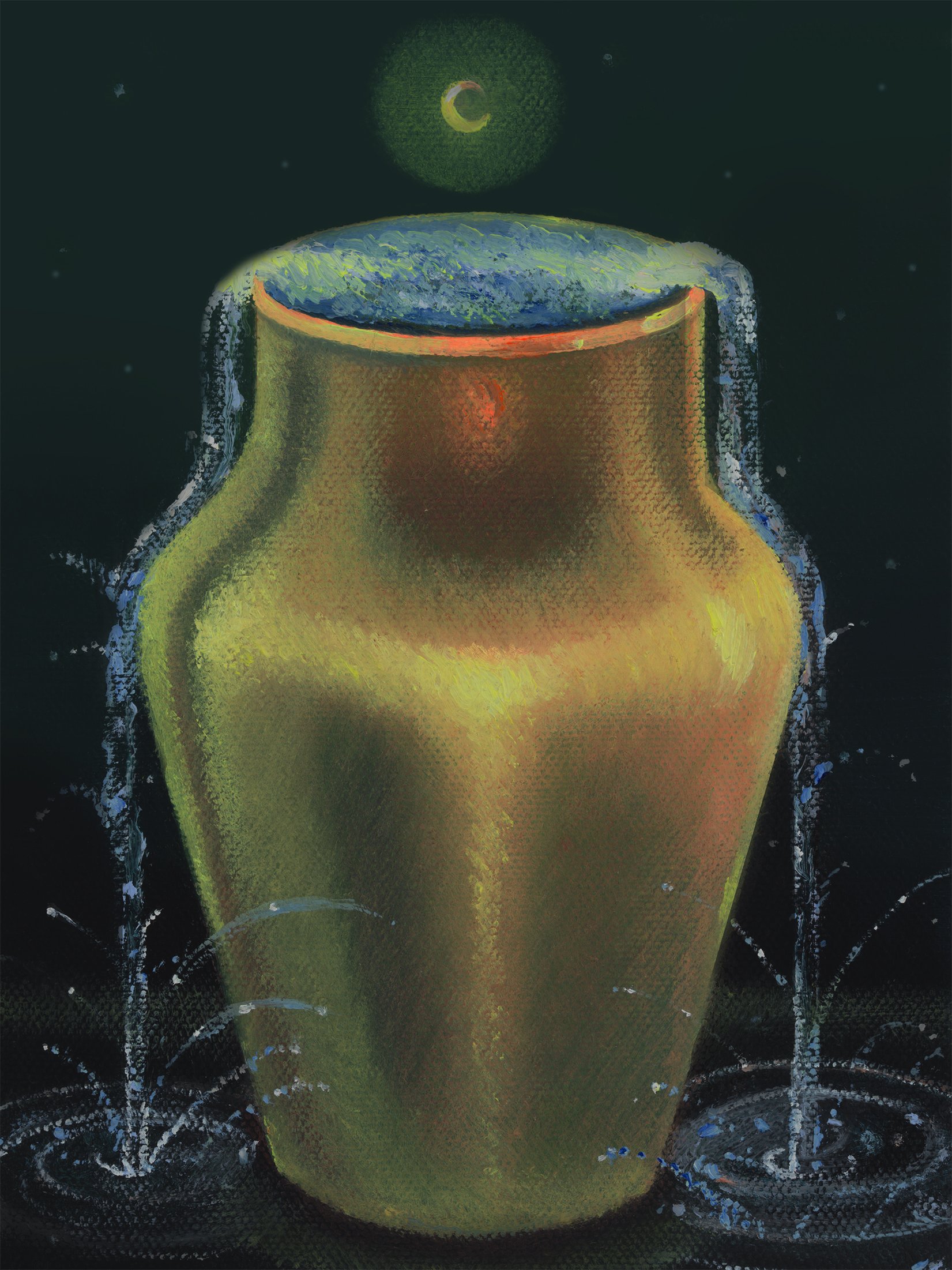
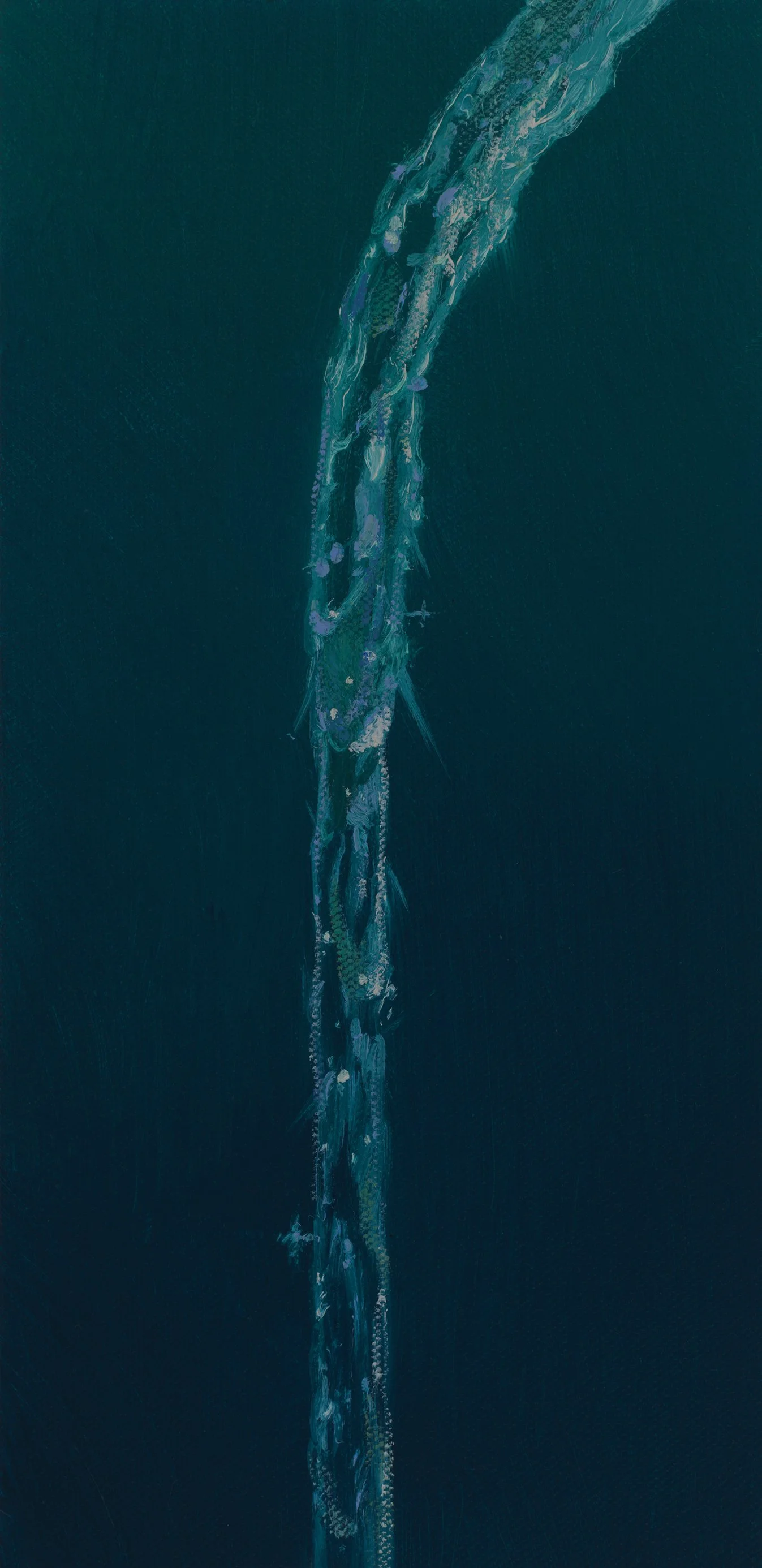
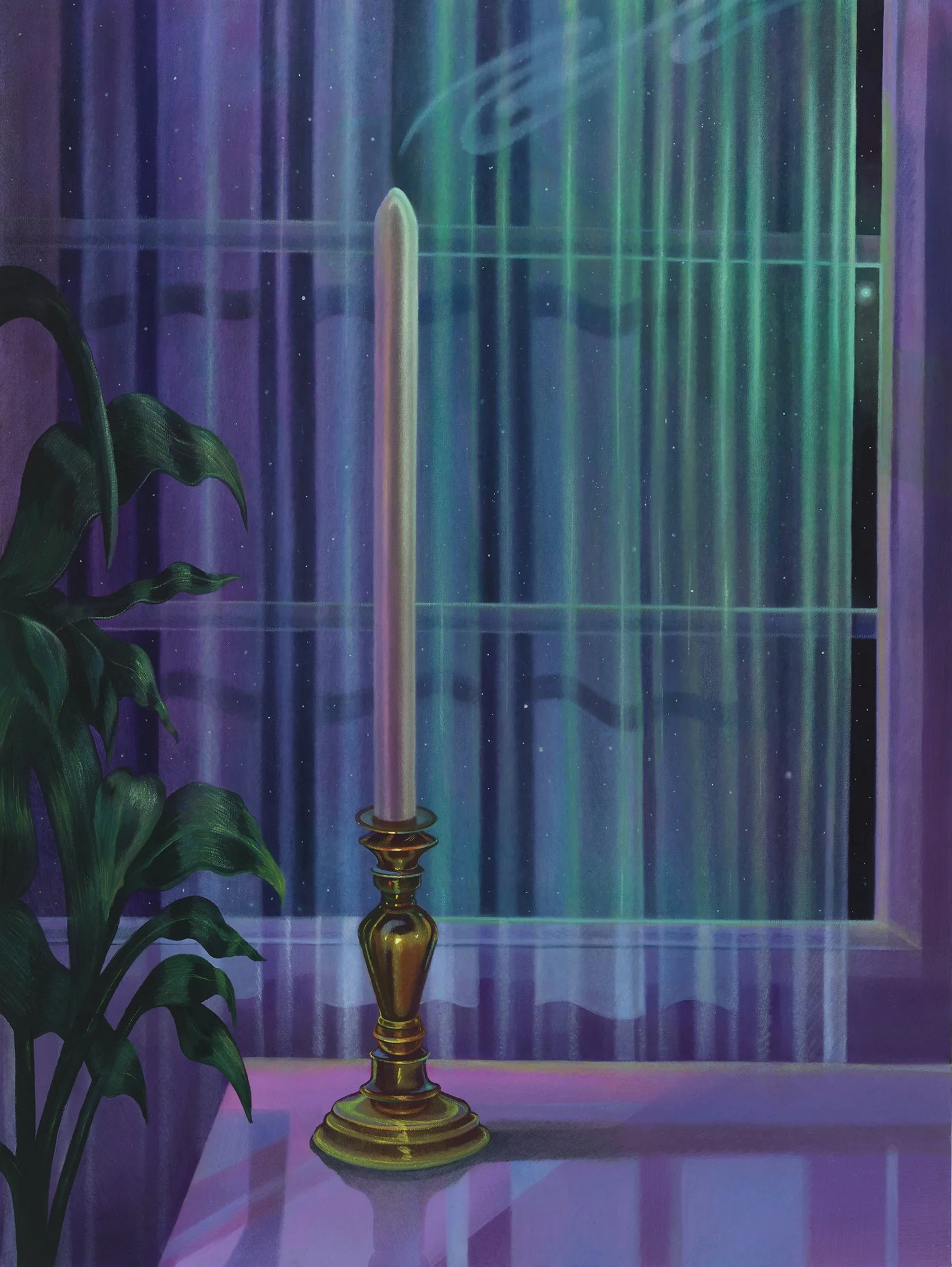
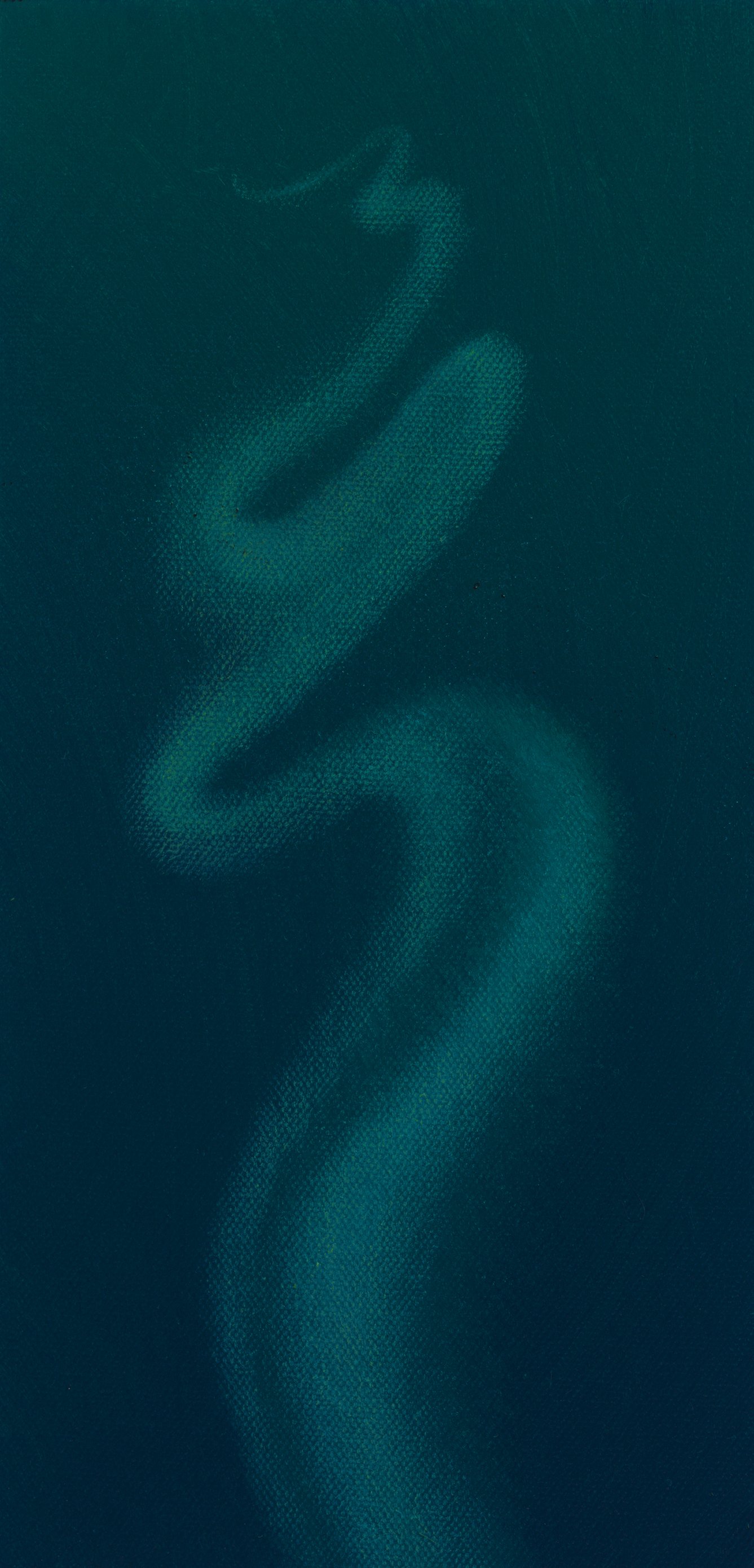
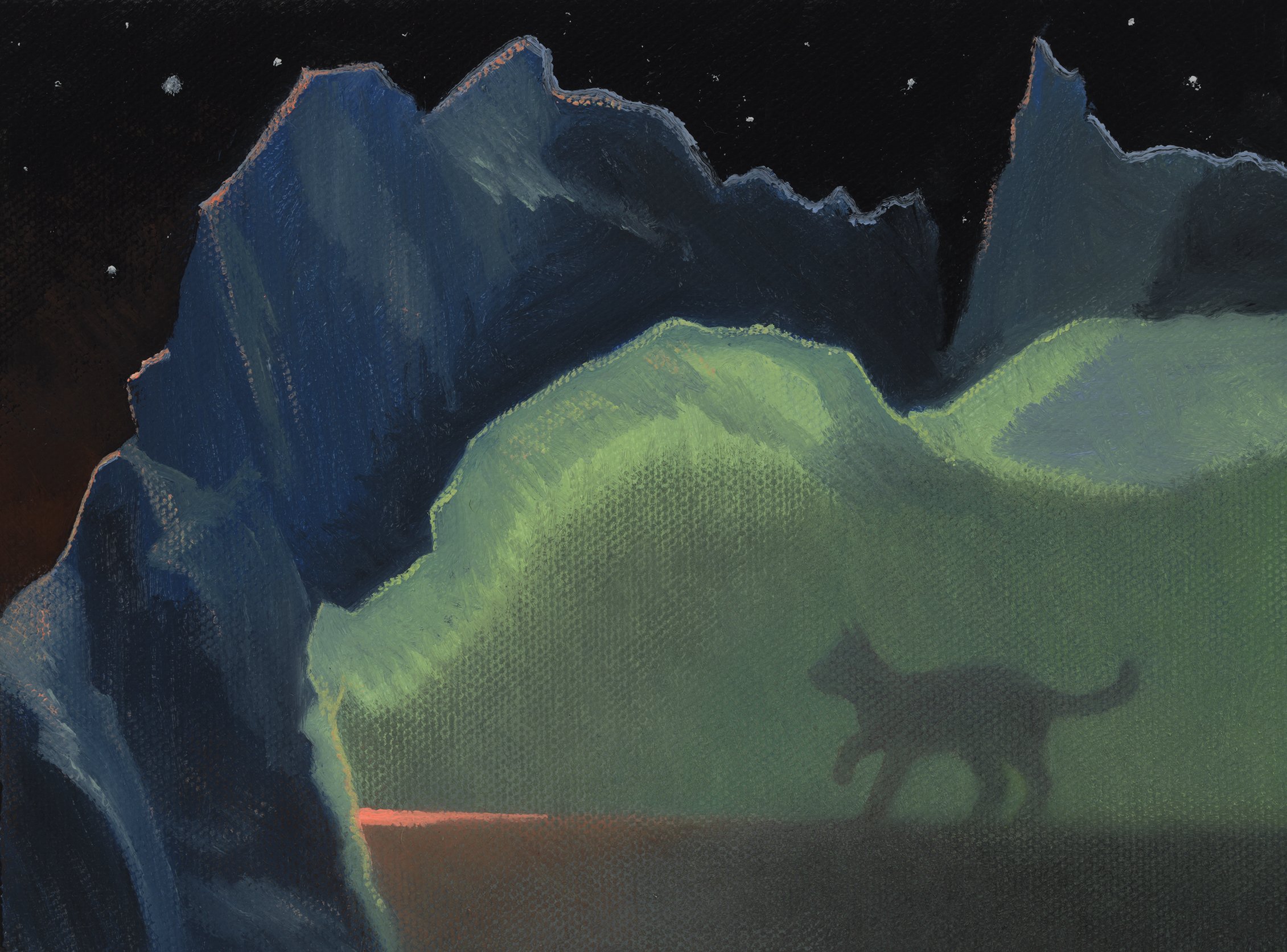
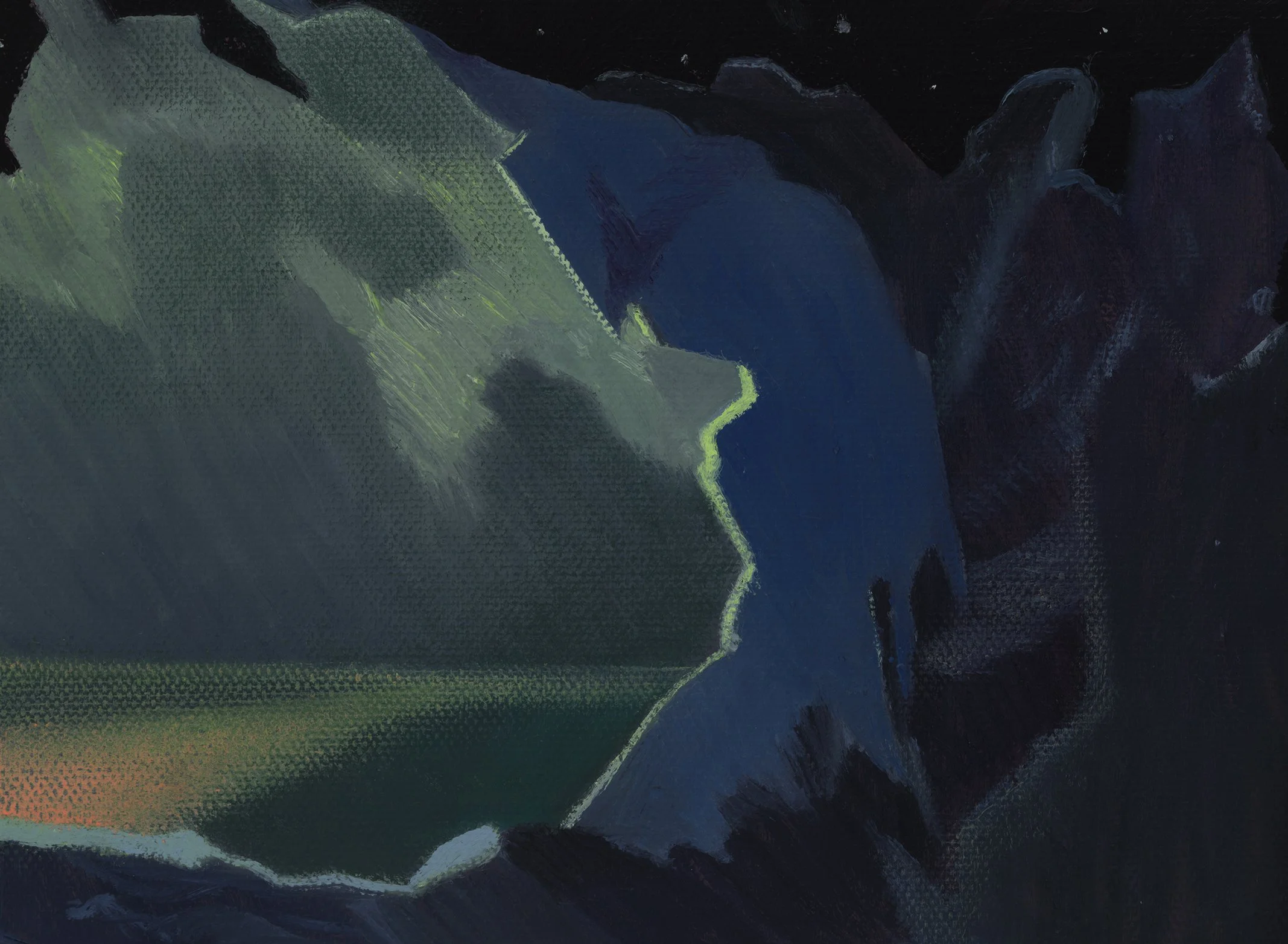
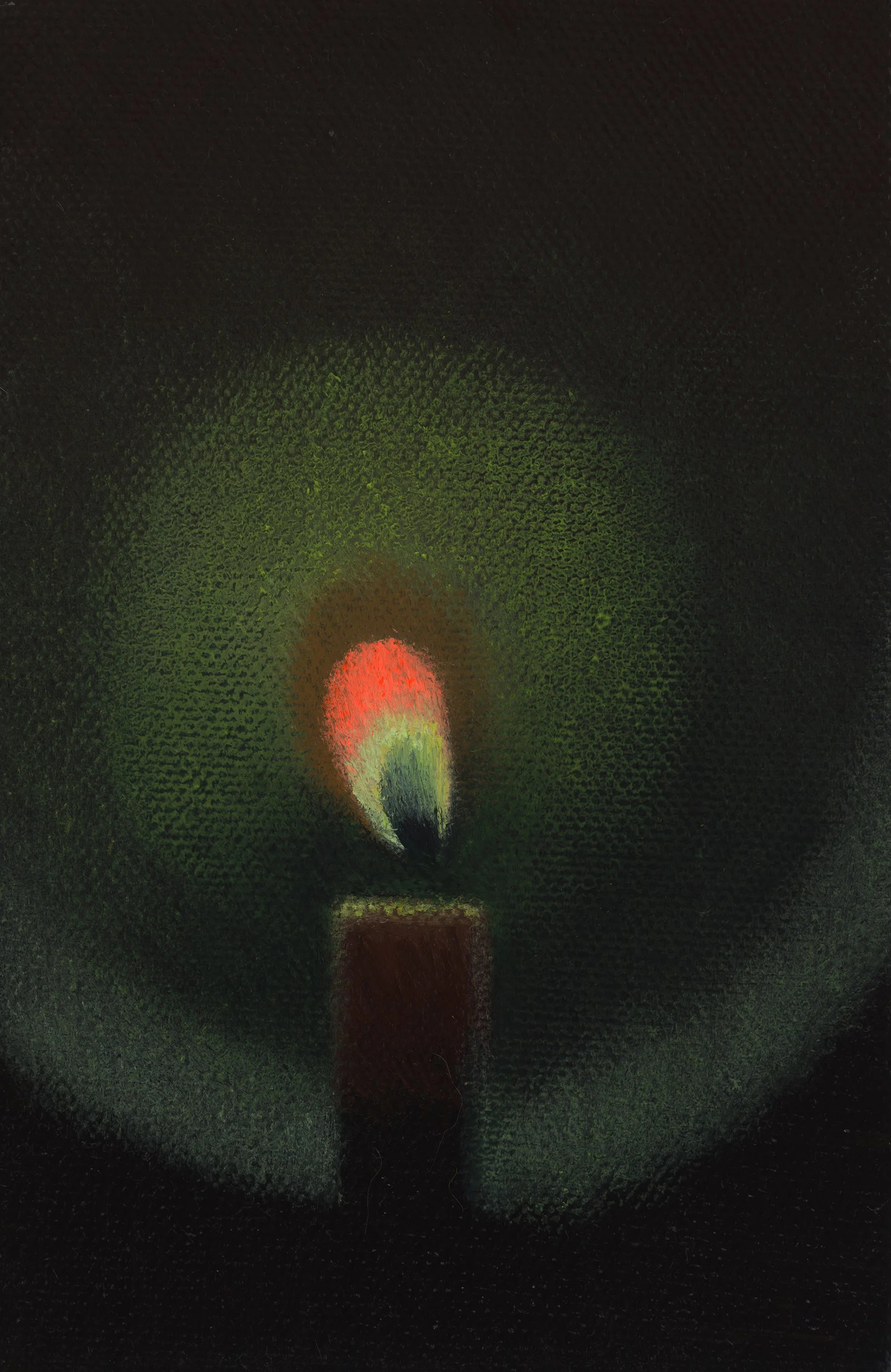
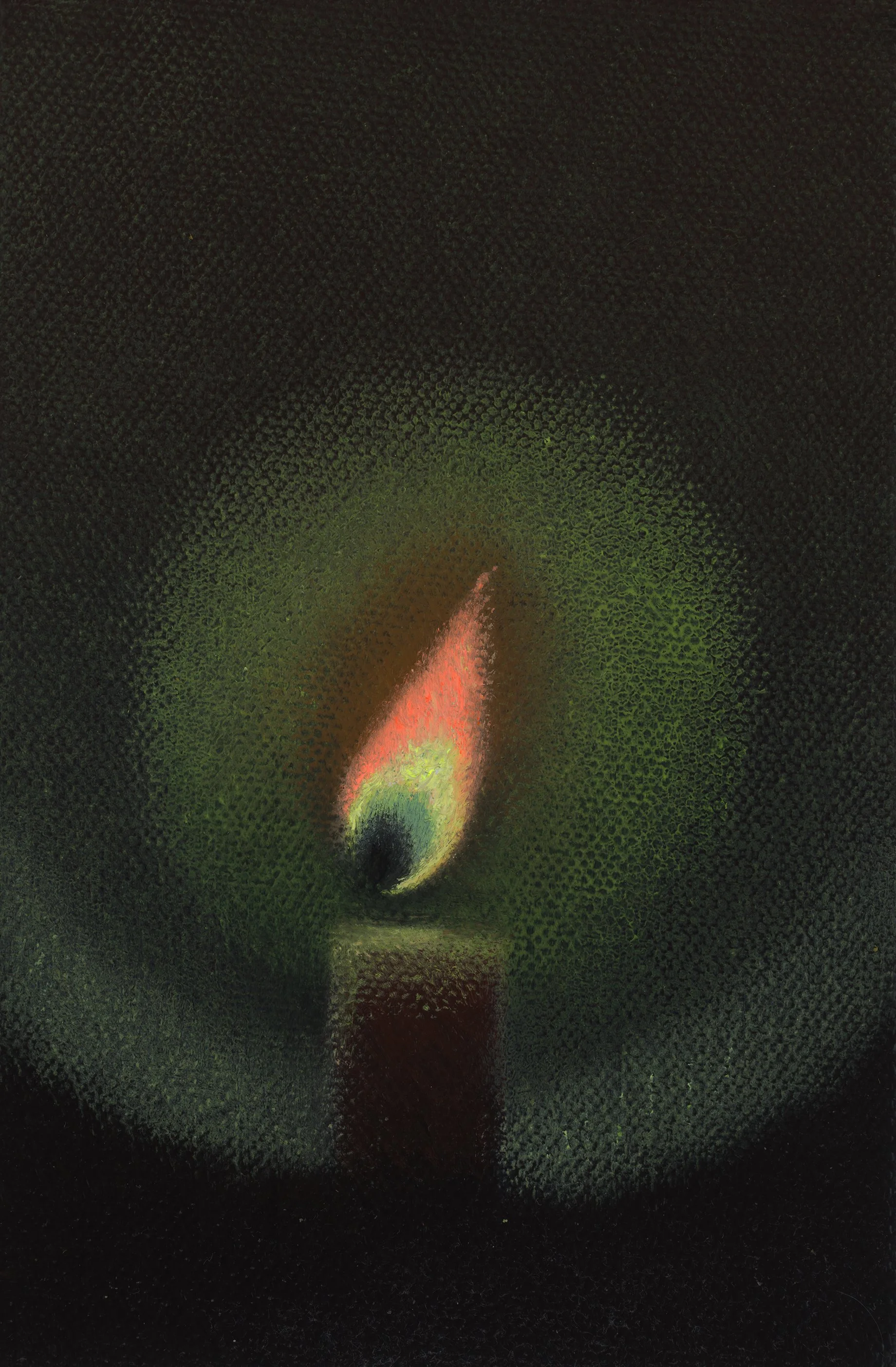
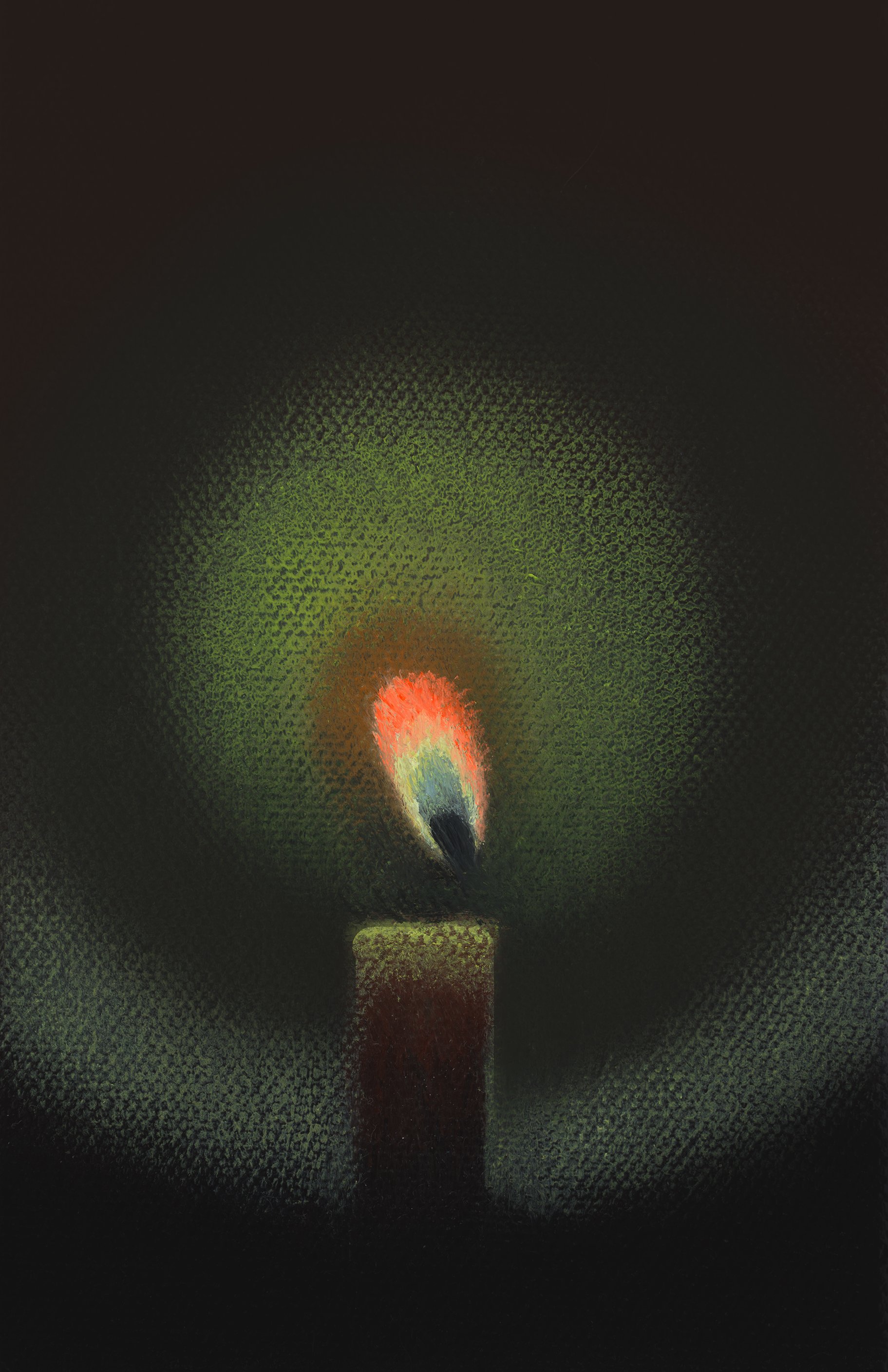
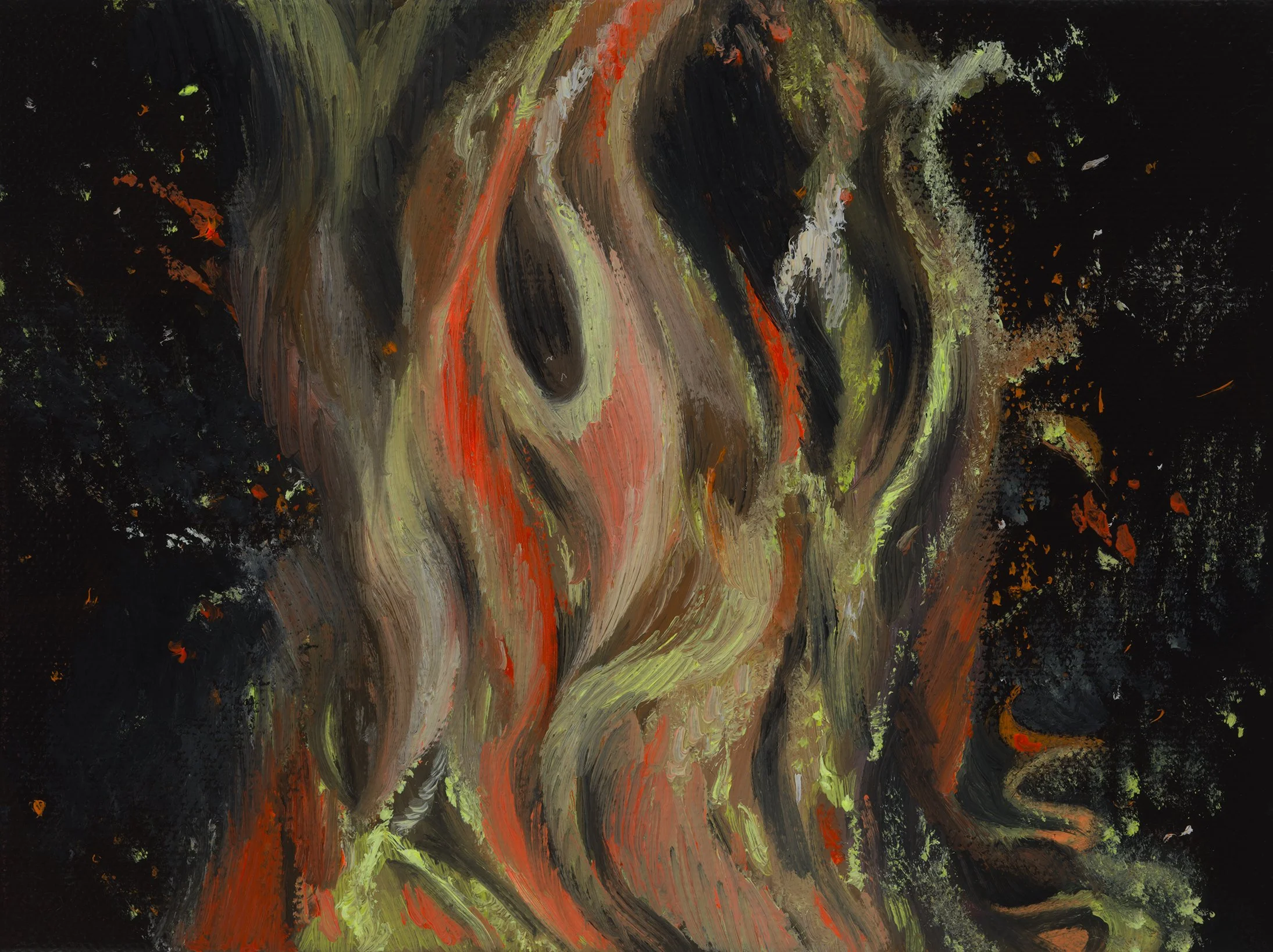
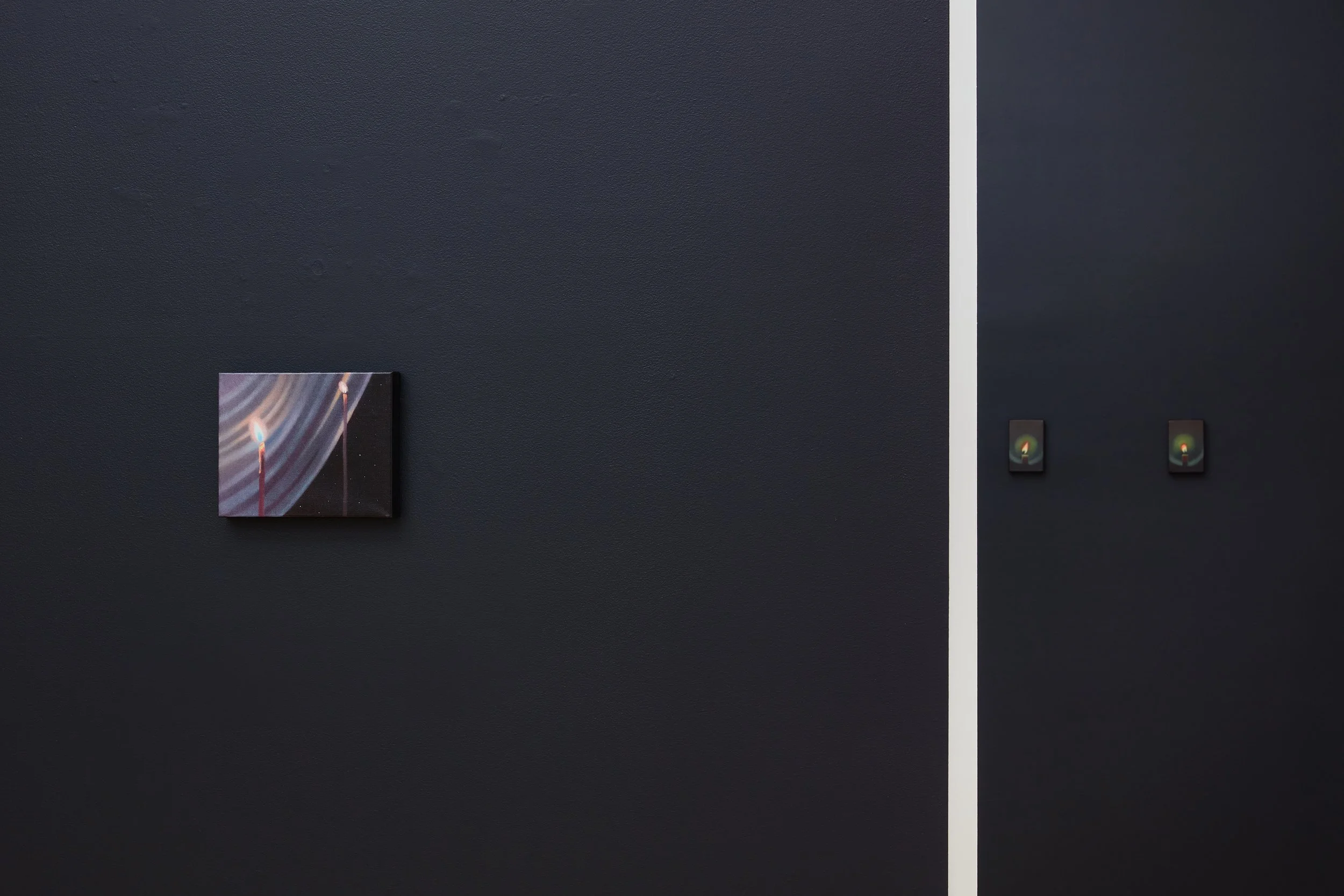
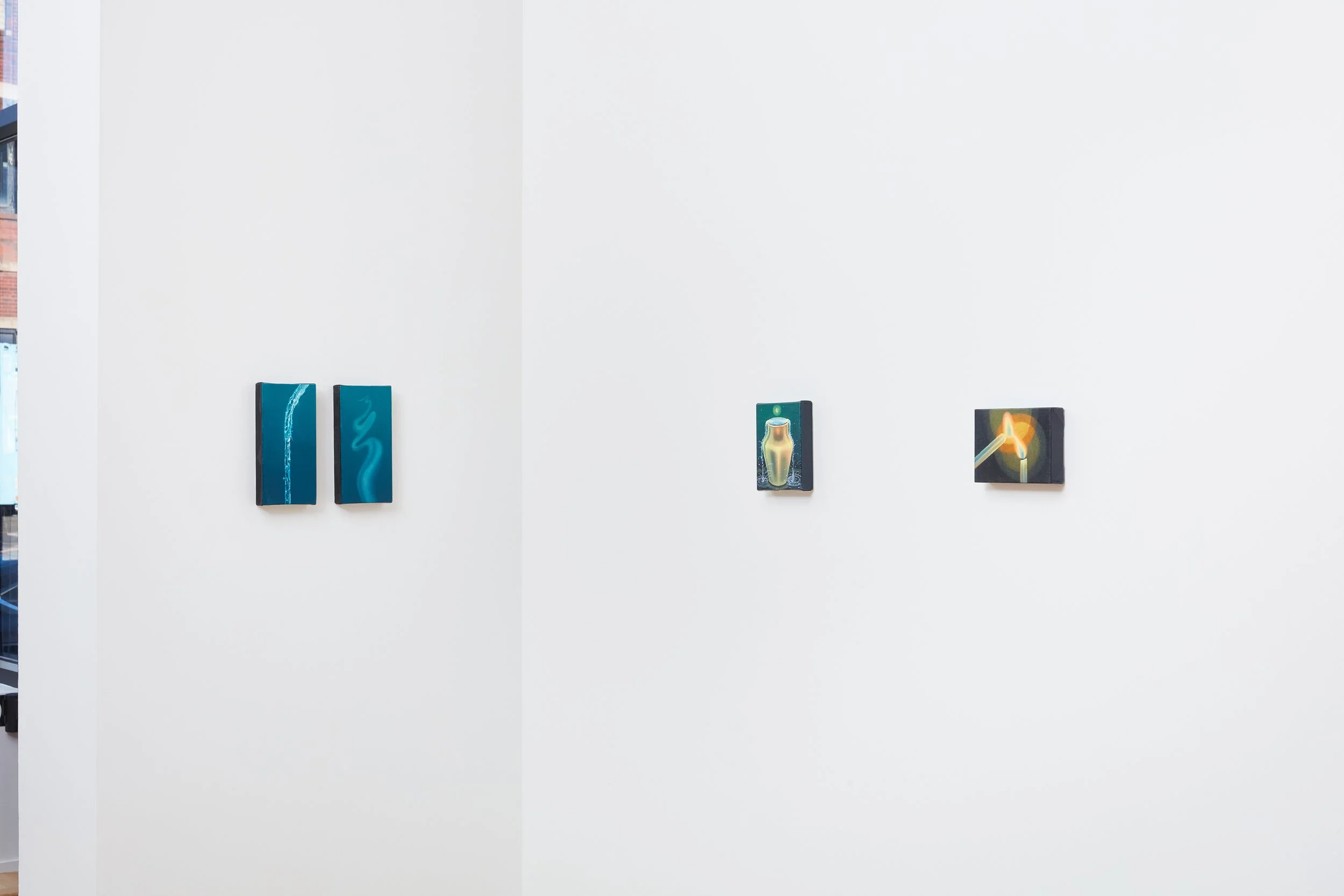
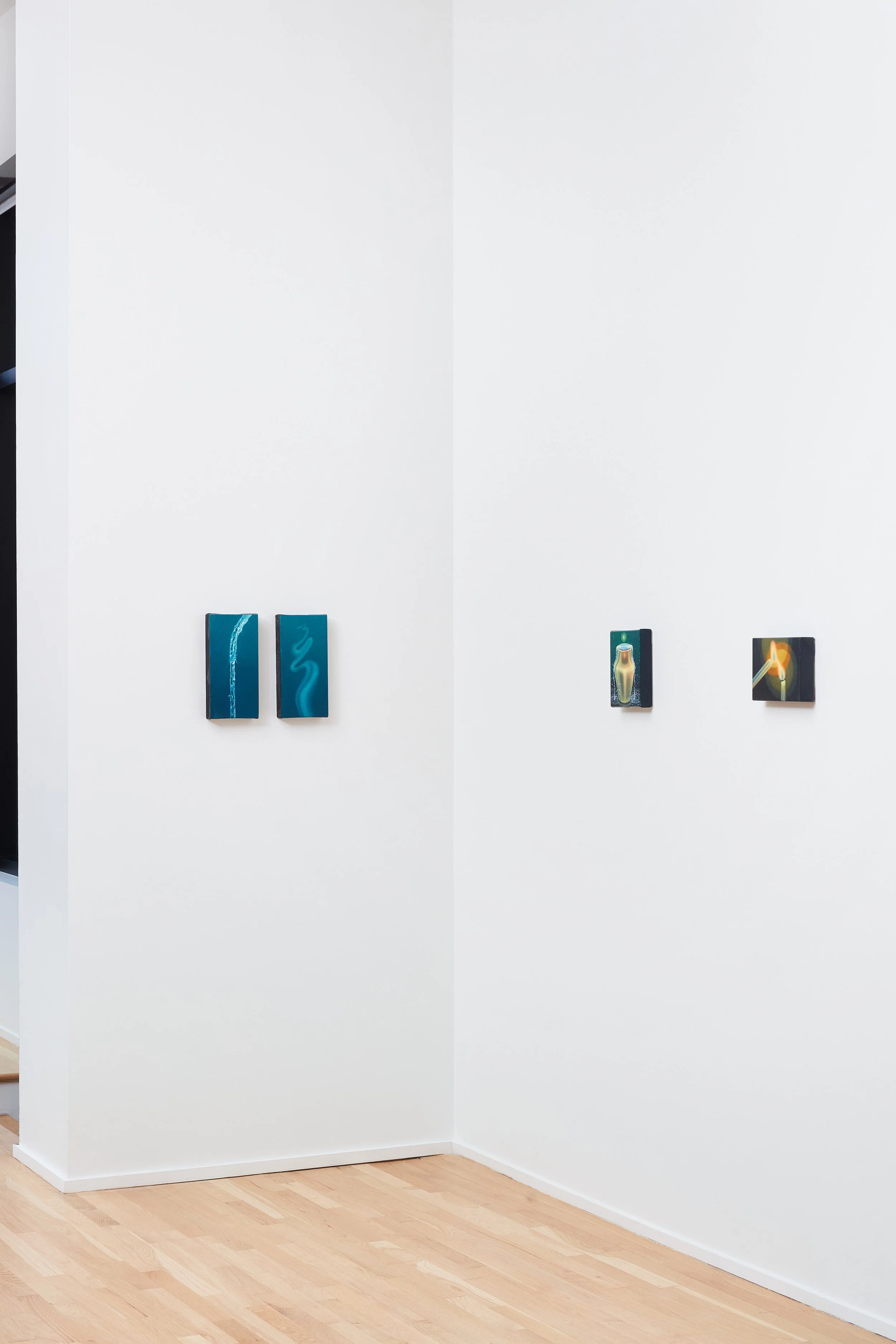
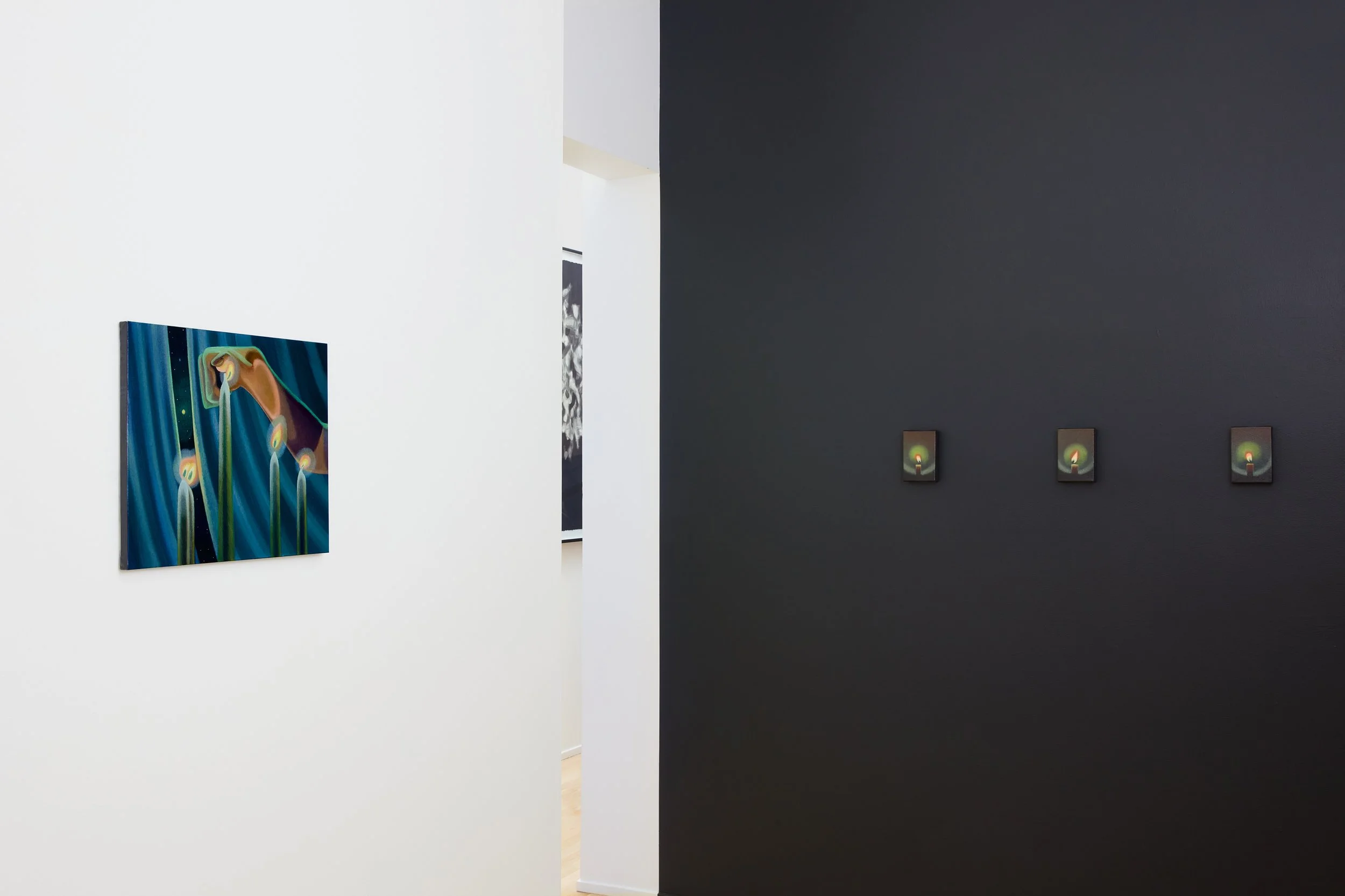
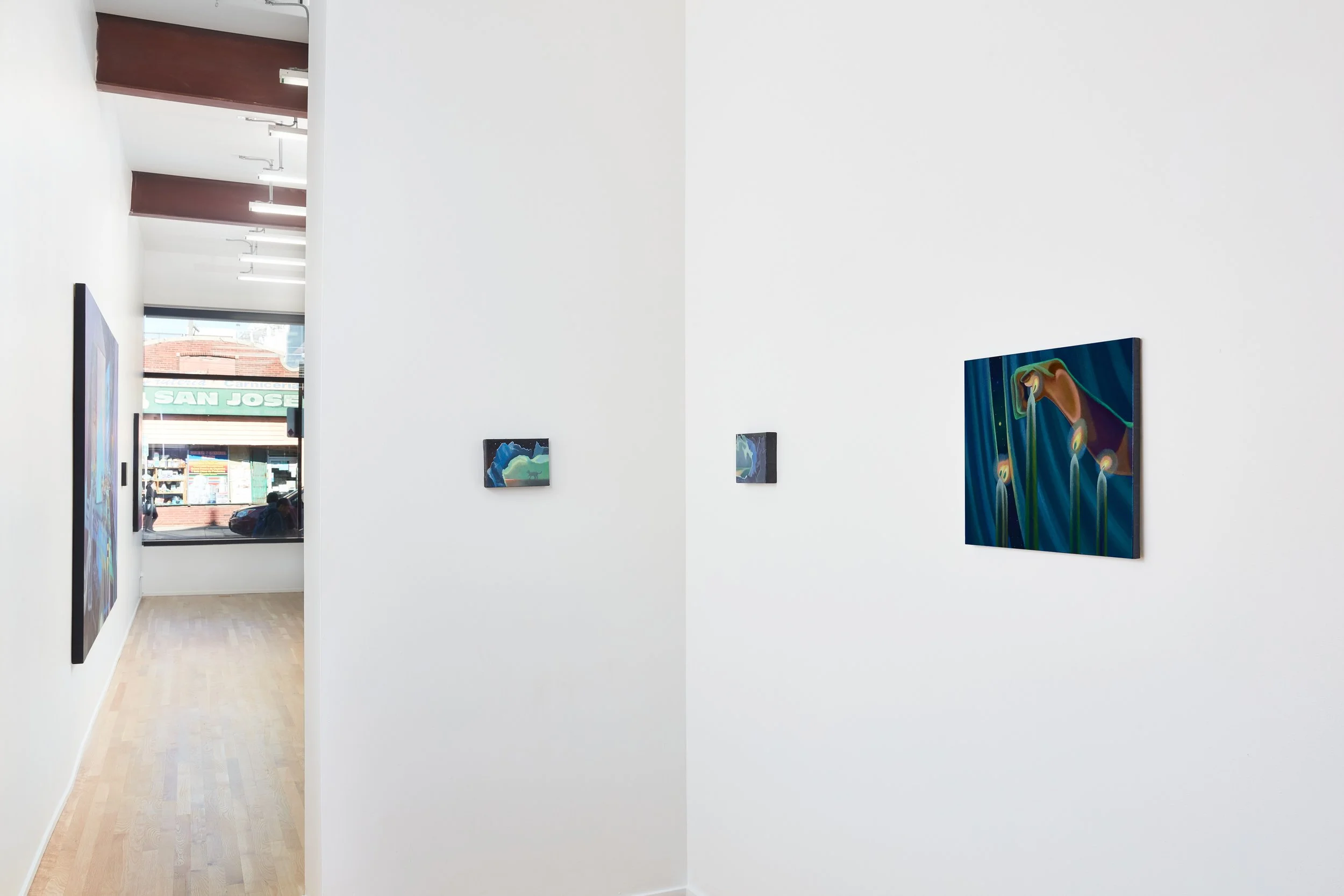
Bernhard has also shifted scale with this exhibition, counterbalancing her largest work to date with her smallest. A series of intimately-sized canvases respond to the epic tableau of The Dark Night of the Soul with focused depictions of lit candles, caves, plumes of smoke, flowing water and vessels — imagery often found in her larger paintings but distilled here into an elemental language. Representing air, earth, fire and water, Bernhard focuses on these singular charged images, prioritizing a visceral sense of the primal and sublime in the everyday, which frequently defines the artist’s work. For Bernhard, it is an attempt to reset and get back to something more primary, both in her painting practice and her metaphysical pursuit.